Liner Notes & Lore · May 31, 2026
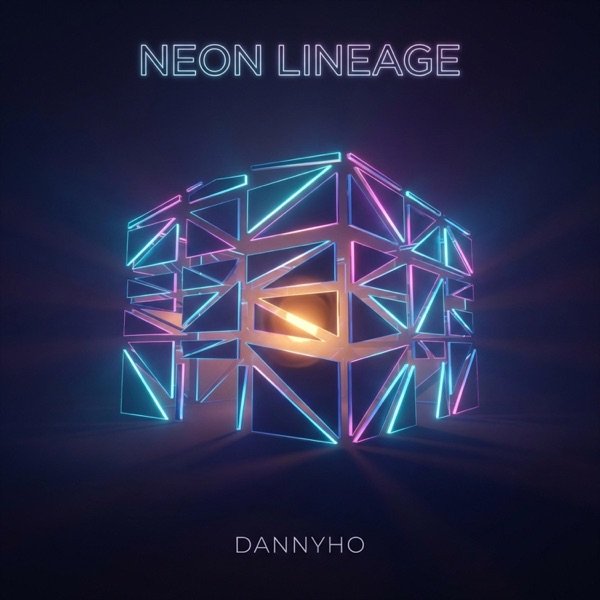
Neon Lineage, Notes from a Chosen Fortress

1. THE PROVOCATION
What does family mean when the place that gave you a name never made room for your life? Neon Lineage begins inside that question, with a protagonist leaving a biological home not in dramatic grief, but in the unnerving numbness of relief. DannyHO frames displacement as both wound and possibility. The city is not a savior. It is vast, wet, indifferent, loud. Yet its indifference becomes a radical form of freedom: nobody is watching, nobody is assigning a role, nobody can insist that blood is destiny. For listeners rebuilding themselves after a move, a rupture, or a long season of feeling miscast, the album argues that belonging is not found intact. It is assembled, often under pressure, by people who choose to stay.
2. SYMBOLS & SUBTEXT
“Room 404 (Not Found)” turns an error code into sanctuary. The room is technically missing, a place for lost things, which makes it exactly where the protagonist can finally be seen. The door opening and muffled laughter are more than scene-setting. They mark entry into a world where incompleteness is not disqualification.
On “Fire Escape Vow,” smoking becomes a ritual of proximity rather than rebellion. The protagonist does not smoke. They simply need an excuse to share air, silence, and a precarious ledge with someone else. Intimacy arrives without a speech, in the small decision not to go back inside alone.
“Emergency Light” finds revolution in paperwork. A form, a signature, a name entered during crisis, becomes proof that care can be formalized without becoming cold. Later, “Surname (In Neon)” deepens that idea. A surname is no longer inherited language. It becomes a shared look, a recognition, a feeling held between people who have made one another accountable to survival.
3. SONIC ARCHITECTURE
The record’s production makes its emotional argument audible. Cold digital pressure surrounds the early tracks: glitching percussion, industrial pulses, distorted beats, sub-bass rumbles, fluorescent tension. Against it, the apartment speaks. Keys in locks, refrigerator hum, match strikes, sirens, footsteps, mugs, and table taps become percussion and memory. These found sounds do not decorate the songs. They establish a domestic archive, evidence that a home is built from repeated ordinary noises.
Sparse reverbed piano and breathless close-mic vocals open the emotional distance of “4 AM Fortress.” Acoustic guitar, upright piano, brushed drums, cello, toy piano, warm bass, and imperfect vocal stacks gradually interrupt that isolation. By the time the album reaches its larger choruses, gang vocals feel less like polished spectacle than bodies crowded into a kitchen, singing loudly enough to drown out the world outside.
4. THE PERSPECTIVE SHIFT
Neon Lineage refuses the old fantasy that healing means returning to what hurt you and making peace with it. Its peace is forward-facing. Conflict in “Fortress of Names” is not solved through victory, but through relinquishing the need to be right. Value in “Cheap Gold” is relocated from inheritance and status to thrifted objects, plastic trophies, and the sacred absurdity of what people keep together.
The final gesture, “Signed in Sunset,” does not close the door with certainty. It leaves the chord unresolved because chosen family is not a finished monument. It is maintenance, friction, care, and continuation. The fortress stands not because it was handed down, but because its people keep rebuilding it in neon.