Liner Notes & Lore · July 26, 2026
Glass Jaw Serenade, Notes from the Beautiful Wreckage

1. THE PROVOCATION
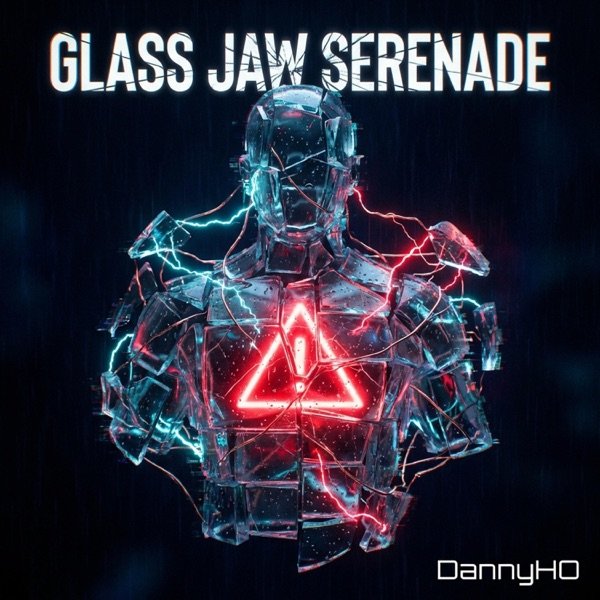
Glass Jaw Serenade is built on a brutal question: what if the thing called passion is sometimes just trauma with better lighting? Set inside a neon city where every windshield shines like a confession, the record tracks Elias and Jude through a season of return, rupture, apology, relapse. Not love in its pure form, but collision mistaken for fate. The terror here is not only the violence of the cycle. It is the comfort of it. Known pain can feel safer than empty space, safer than silence, safer than facing yourself without a witness. DannyHO frames that psychology with unnerving clarity. These songs do not beg for redemption. They document the loop, the ritual, the private religion of going back.
2. SYMBOLS & SUBTEXT
In “Hazard Lights,” the drive is not romantic longing. It is compulsion dressed as curiosity. The key in the lock becomes forensic evidence, proof that access still exists, that the crime scene is still open. Even the turn-signal click feels sinister, a metronome for bad decisions. “Hazard-Light Click” deepens that prison logic. The argument is supposedly about a dream, but that is the point. Imagined betrayal becomes easier to prosecute than the real wound underneath. Fantasy provides cover when truth is too radioactive to touch.
“The Hidden Folder” may be the album’s cruelest self-portrait. Deletion is staged as liberation, yet nothing is destroyed. The past is merely tucked out of sight, curated into secrecy, preserved for relapse. Then “Morning Glass” reveals the cycle’s most seductive trick: repentance as performance. The repeated apology script turns tenderness into theater. Its warmth curdles because the words sound practiced, not discovered. By the time “Neon Static” arrives, absence itself becomes withdrawal. The body is not craving love. It is craving the stress chemistry that used to pass for aliveness.
3. SONIC ARCHITECTURE
The album’s production lives at the fault line between flesh and machinery. Acoustic guitar, upright piano, pizzicato cello, coffee-cup taps, room noise, all the vulnerable human details, are pressed against distorted 808s, metallic snaps, industrial drones, vinyl hiss, and recurring glass percussion. Clinks, vibrations, distant shatters. Glass is everywhere because these people are always one impact away from breaking. Vocal production stays painfully close, breaths audible, consonants sharp, whispers often more violent than screams. When choruses widen, they do not offer release so much as intoxication. Space opens, then closes again. Even silence is weaponized.
4. THE PERSPECTIVE SHIFT
What DannyHO achieves here is not a cautionary tale with clean moral distance. The album implicates the listener, especially anyone who has mistaken intensity for depth, instability for devotion, or suffering for proof that something mattered. It asks whether peace can feel unbearable simply because it does not resemble the drama we were taught to worship. That is the difficult gift of Glass Jaw Serenade. It does not flatter our sadness. It exposes the vanity in romanticizing damage, then leaves us with a harder, quieter challenge: to recognize that leaving the fire can feel cold before it feels free.