Album Story · January 29, 2026
The Good Breakup, Catalogued and Composed

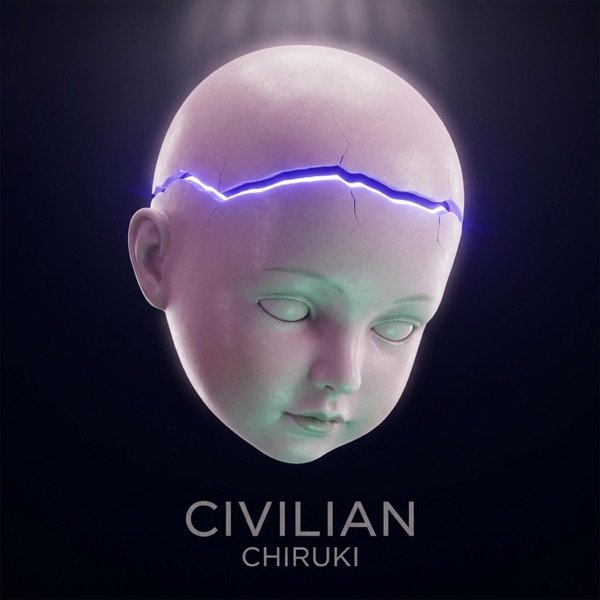
Chiruki’s Civilian begins where most breakup records end: past the door slam, past the wet mascara, past the urge to light a shared history on fire. In a pristine marble-countertop kitchen, the decision arrives quietly, an RSVP declined to a future that no longer exists. “RSVP (Solo)” doesn’t announce itself; it clicks. That mechanical click, a lock, a seatbelt, a phone going dark, becomes the album’s pulse, matched by dry string quartets that cut against heavy synthesized bass. This is the weaponization of maturity: the refusal to scream becomes the loudest statement.
Separation logistics unfold like civility under glass. “Final Grace” stages the breakup in a high-end restaurant where silverware does the shouting; “Two Piles of Keys” inventories a half-empty apartment in echoey acoustics, dividing shared life without a single raised voice. The vocabulary is contract law and etiquette guides, terms, conditions, polite regards, recontextualized for romance. Production stays tailored and sharp: no muddy reverb, just dry strings and the low ache of sub-bass.
In the no-contact phase, vulnerability surfaces without apology. “The Unsent” finds her face lit by the blue light of a phone screen, scrolling drafts written in anger and never sent, an archive of restraint. The high road is exhausting; she wants to be petty for just a second. But the release is not cruelty. It’s the euphoria of reclaiming solo rituals, the whole armrest, the empty inbox, the ability to move through a crowd as just one of millions. By “Best Regards,” the final letter offers no love, only regards. The album closes with warm, acoustic serenity: no longer ‘us,’ just ‘me.’ For listeners who have outgrown the theatre of rupture, this is a quieter bravado, press play and sit with the discipline it takes to leave well.