Liner Notes & Lore · January 19, 2026
The Inefficiency of Silence

THE PROVOCATION
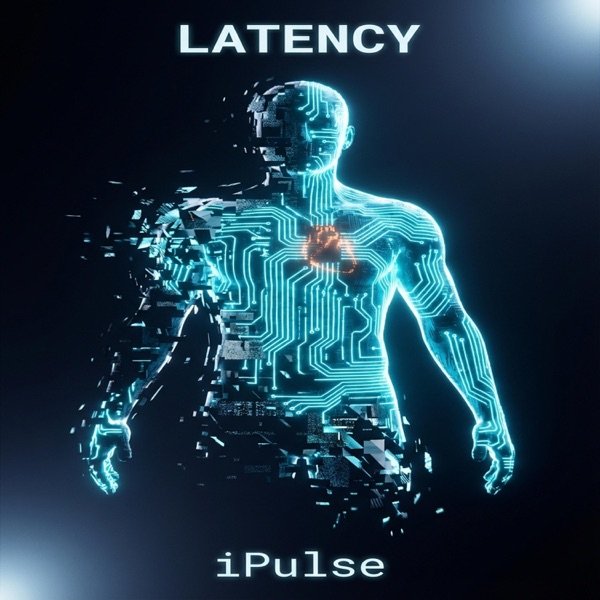
The Operator treats his life like a perfectly optimized system, clean, efficient, and devoid of unnecessary volatility. When the relationship ends, he does not cry; he experiences a system error. That premise is the cold engine of iPulse’s LATENCY. The record is not a breakup album in the familiar sense. It is a diagnostic report on the latency between what he felt and what he actually said. The inefficiency of silence becomes the central bug. Emotional suppression, coded as drama-free stability, causes a catastrophic system failure in human connection. The album opens with Input Loss, where the sudden cut in the data stream leaves only numb shock. What he misses is not her voice exactly; he misses the noise she made that kept him grounded. That distinction matters. Grief here is not a wave, it is a background process slowing down every other function.
SYMBOLS & SUBTEXT
Three tracks expose the hidden logic. In Echo Chamber, the titular echo is not her voice haunting him; it is his own voice rehearsing the apology he never gave. The delayed doubles and whispered verses make the regret recursive, a loop of unsaid words bouncing around a hollow room. Direct Line reveals the temptation to call her, but he does not dial because he realizes he wants to clear his conscience, not actually help her. The 5-note ringtone hook corrupts each time it returns, a perfect symbol for high-stakes hesitation. Static pushes furthest: the noise is not meaningless. It is the sum of every I love you he did not say. Bit-crushed drums and data-bent vocal chops turn his suppressed affection into controlled chaos. These songs do not resolve; they diagnose.
SONIC ARCHITECTURE
The production is functional by design, yet remarkably expressive within its constraints. The iPulse signature is a steady 4/4 kick and clean bassline, metronomic and relentless. Vocals are cool and detached, often treated as instruments rather than lead melody. In Input Loss, a dry close-mic’d spoken word intro gives way to a breathy rhythmic cadence with no belting. Autopilot uses a resonant vocoder and rigid quantization, no swing, creating mechanical numbness. Format shifts to G Major with crystalline synth plucks and a lighter higher register, a bright but empty relief. The recurring motif is a digital sever glitch hidden in the hi-hat patterns, the sound of a connection dropping. This is not decoration; it is the album’s heartbeat.
THE PERSPECTIVE SHIFT
LATENCY challenges listeners who process emotions logically rather than melodramatically. It validates the urge to analyze instead of feel, then quietly demonstrates the cost. The Operator learns that efficiency is not everything. By Refresh, the system reboots, updated and patched. But something has changed: he leaves a small port open for error, for love. The record does not promise catharsis. It offers a cleaner architecture with one deliberate vulnerability. For coders, creatives, and night-shift workers carrying unspoken burdens, that is a radical gesture. You can be functional and still leave space for noise. That noise, after all, was the only thing keeping the system human.