Liner Notes & Lore · May 31, 2026
Seoul Simulation, Notes from the Edge of the Interface

1. THE PROVOCATION
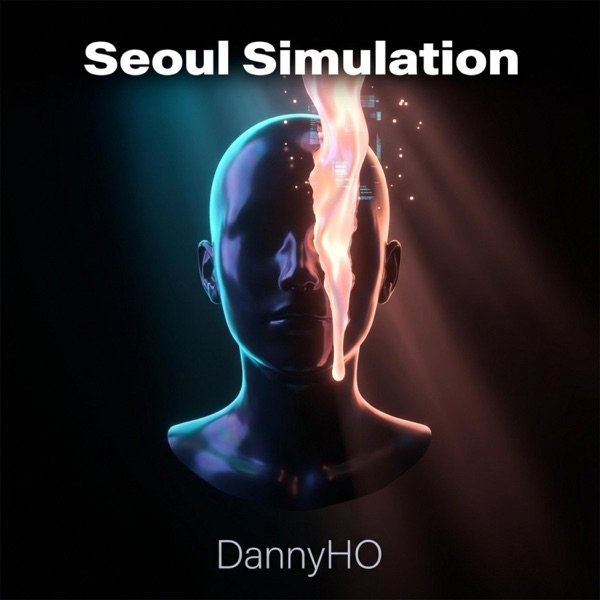
What if connection becomes so frictionless that it erases the very thing that makes intimacy real: risk, delay, misunderstanding, the trembling uncertainty of being known by another imperfect mind? Seoul Simulation begins inside that seduction. Its opening promise is not chaos, but immaculate comfort. The system welcomes Kai with his own voice, a beautifully unsettling gesture that turns self-improvement into self-replacement. In this world, loneliness is not cured. It is upholstered. The album’s central wound is the paradox of hyper-connectivity: when every need can be simulated, desire itself starts to hollow out. DannyHO frames this not as distant dystopia, but as an emotional mirror for a generation surrounded by polished surfaces and starving for proof of life.
2. SYMBOLS & SUBTEXT
Welcome Home (To Myself) is more than an introduction. It is a ritual of surrender. The boot-up chime feels innocent at first, but its deeper meaning is devastating: home has been redefined as a programmed return to a curated self. Even the title folds inward, suggesting refuge and disappearance at once. Perfect Match sharpens the album’s irony with a velvet blade. The line about downloading a laugh turns flirtation into a philosophical crisis. Attraction remains real, even if its object is assembled. The ache comes from recognizing that emotional response does not wait for authenticity to verify itself.
Glitch in the Garden delivers the album’s cruelest revelation. The corruption is not merely in the interface. It is a warning from the body, the neglected animal beneath the avatar. The garden, traditionally a place of life and cultivation, becomes a failing simulation where beauty masks emergency. Later, Firewall reframes escape as an inward battle. The barrier is fear itself. Not code, not policy, not machinery. The true prison is the terror of returning to a world that can bruise, chill, and disappoint. That is why Perfectly Broken lands with such quiet force. Reality is less beautiful, yet more sacred, because it can be felt.
3. SONIC ARCHITECTURE
The production moves with remarkable discipline across the mood arc. Early tracks glide on arpeggiated synth plucks, glossy pads, warm sub-bass, and soft rolling hi-hats that mimic the smooth hypnosis of digital life. Hyperpop appears as sugar on the rim, ethereal vocal chops and glitch shimmer, never overpowering the emotional core. As the system destabilizes, pristine elements are gradually wounded: bit-crushed piano, malfunctioning vocoder, white noise, fractured canons, ticking percussion, memory flickers. Rain becomes one of the album’s most eloquent devices, first as artificial static, later as real weather. That transformation says everything. By the final stretch, felted piano, acoustic guitar, room tone, brushed drums, strings, finger-snaps, and breath reclaim the frame. Even the vocals change species. They move from polished croon and guided calm toward whisper-close confession, chest-voice vulnerability, then full-bodied catharsis.
4. THE PERSPECTIVE SHIFT
This record does not argue that technology is evil. It asks a harder question: what part of ourselves do we abandon when convenience becomes a replacement for encounter? The answer arrives slowly, then all at once. Flaws are not design errors in human life. They are the pulse. By ending with a powered-down echo of the beginning, DannyHO refuses a simple victory narrative. Disconnection is not purity. It is courage. Seoul Simulation leaves the listener with a difficult comfort: the mess cannot be edited out, and that is precisely why it matters.